

A new year often brings renewed motivation — a desire to take control of health, establish better habits, and move forward with clarity. For individuals living with inflammatory bowel disease (IBD), including Crohn’s disease and ulcerative colitis, this “fresh start” mindset can be especially meaningful.
Chronic gastrointestinal inflammation can be unpredictable, physically exhausting, and emotionally draining. However, with the right management strategies, specialist care, and access to emerging therapies, the new year can mark the beginning of improved disease control and quality of life.
At Spoke Research, advancing treatment options for IBD is not just a clinical objective — it is a commitment to helping patients find sustainable relief through ethical, regulated clinical trials.
Now is an ideal time to reassess your treatment plan, understand your disease activity, and explore whether research participation may be part of your path forward.
Understanding IBD: Crohn’s Disease and Ulcerative Colitis
Inflammatory bowel disease encompasses two primary conditions:
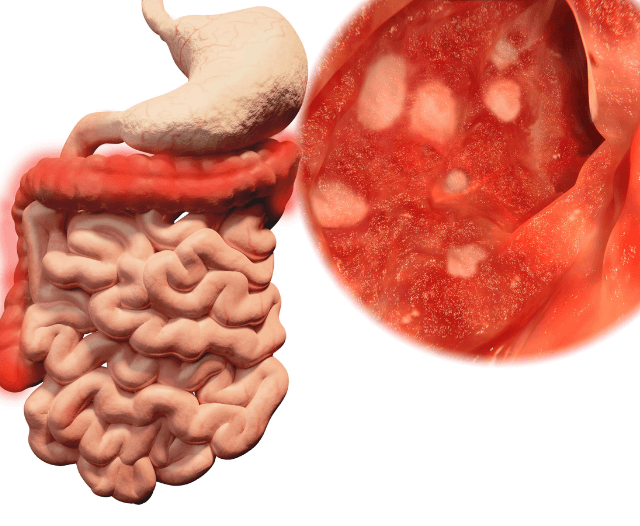
Both conditions involve chronic inflammation of the gastrointestinal tract, but they differ in distribution and depth of inflammation.
Crohn’s disease may affect any part of the digestive tract from the mouth to the anus and can involve the full thickness of the bowel wall.
Ulcerative colitis, by contrast, is limited to the colon and rectum and typically affects only the innermost lining of the colon.
Common symptoms include:
- Persistent diarrhoea
- Abdominal pain and cramping
- Rectal bleeding (more common in ulcerative colitis)
- Fatigue
- Weight loss
- Urgency and frequent bowel movements
IBD is immune-mediated, meaning the immune system mistakenly attacks the digestive tract. While there is currently no cure, effective treatment can induce remission, reduce complications, and improve quality of life.

Starting the Year with a Disease Assessment
A fresh start begins with clarity. One of the most important steps in managing IBD is determining whether your disease is truly under control.
Even if symptoms are mild, underlying inflammation may still be present. Uncontrolled inflammation over time increases the risk of complications such as strictures, fistulas, or colorectal cancer.
Routine evaluation may include:
- Blood tests (inflammatory markers like CRP)
- Stool testing (such as fecal calprotectin)
- Imaging studies
- Endoscopic assessment
Procedures such as colonoscopy play a central role in monitoring disease severity, mucosal healing, and treatment response. For patients in Cape Town seeking expert gastrointestinal evaluation, more information about colonoscopy and comprehensive digestive care is available through Dr. Deetlefs at www.gidoc.co.za.
Accurate assessment allows your healthcare team to determine whether your current therapy is effective or whether treatment optimisation is necessary.
Optimising Medical Treatment in 2026
Modern IBD management has evolved significantly. Standard therapies may include:
- Aminosalicylates (mainly for ulcerative colitis)
- Corticosteroids for short-term flare control
- Immunomodulators
- Biologic therapies
- Targeted small-molecule therapies
Biologic agents have transformed care by targeting specific inflammatory pathways such as TNF-alpha, integrins, and interleukins. However, not every patient responds adequately. Some experience primary non-response, while others lose response over time.
If your symptoms persist despite treatment, this does not mean you have failed — it may simply mean your disease requires a different therapeutic approach. This is where clinical research becomes particularly important.
The Growing Role of Clinical Trials in IBD Care
Clinical trials are a cornerstone of medical advancement. Every approved medication available today was once studied in a research trial. For IBD patients, participating in a clinical trial may offer:
- Access to investigational therapies not yet widely available
- Close specialist monitoring
- Structured follow-up and advanced assessments
- Potential improvement in disease control
At Spoke Research, clinical trials are conducted under strict ethical and regulatory standards. These studies focus on moderate to severe Crohn’s disease and ulcerative colitis, particularly in patients whose disease remains active despite standard therapy.
Importantly, participation is voluntary, confidential, and carefully explained during an informed consent process. Patients can withdraw at any time without affecting their routine medical care.
Setting Realistic Health Goals for the New Year
Rather than focusing on generic resolutions, IBD patients benefit from targeted, achievable goals:
- Aim for Objective Remission
True remission involves both symptom control and mucosal healing. Work with your gastroenterologist to define measurable treatment targets.
- Improve Medication Adherence
Skipping doses or inconsistent treatment can trigger flares. Use reminders or medication management tools to maintain consistency.
- Prioritise Nutrition
While no universal “IBD diet” exists, individualised nutrition planning can reduce symptom triggers and support overall health.
- Address Mental Health
Chronic illness is closely linked to anxiety and depression. Psychological well-being directly influences disease outcomes.
- Explore Research Opportunities
If your disease remains active, consider whether enrolling in a clinical trial could align with your goals for better disease control.
Why Patients Choose Spoke Research
Patients increasingly turn to Spoke Research for several reasons:
Patient-Centred Approach
Spoke Research prioritises compassionate communication and thorough education about each study.
Specialist Oversight
Experienced investigators with expertise in IBD oversee patient care during trials.
Access to Global Innovation
Through collaboration with international sponsors, Spoke Research offers access to cutting-edge therapies being studied worldwide.
No Cost to Participants
Study-related medications, visits, and assessments are covered as part of trial participation.
For many patients, joining a clinical trial represents both a proactive health decision and a contribution to future treatment breakthroughs.

When to Consider a Clinical Trial
You may consider discussing research participation if:
- Your current treatment is not controlling symptoms
- You experience frequent flares
- You have moderate to severe disease activity
- You have lost response to biologic therapy
- You want access to emerging therapies
Clinical trials are not a “last resort.” In fact, earlier intervention with novel targeted therapies may improve long-term outcomes in selected patients.
Lifestyle Foundations for IBD Stability
While medication is central to disease control, lifestyle factors significantly influence inflammation.
Stress Management
Stress does not cause IBD, but can exacerbate symptoms. Techniques such as structured exercise, mindfulness, and adequate sleep are beneficial.
Smoking Cessation
Smoking is strongly associated with worse outcomes in Crohn’s disease.
Regular Monitoring
Proactive follow-up prevents small issues from becoming major complications.
Combining lifestyle optimisation with advanced medical care creates a comprehensive approach to disease management.

Looking Forward: A Year of Possibility
The new year symbolises opportunity — and for individuals living with IBD, it can represent a turning point. Whether that means achieving sustained remission, improving daily symptom control, or exploring innovative therapies, progress is possible.
Medical research continues to evolve rapidly. New biologics, oral targeted therapies, and personalised treatment strategies are being developed with the goal of achieving deeper remission and fewer side effects. Through clinical research, today’s participants help shape tomorrow’s standards of care.
At Spoke Research, the mission is clear: advance IBD treatment while providing attentive, expert care to every participant.
Take the First Step Toward a Fresh Start
If you are living with Crohn’s disease or ulcerative colitis and feel your condition is not optimally controlled, now is the time to reassess your options.
A new year does not have to mean another cycle of flares and frustration. It can mean:
- Better monitoring
- Smarter treatment strategies
- Access to innovative therapies
- A partnership with a dedicated research team
Contact Spoke Research to learn more about ongoing IBD clinical trials and determine whether you may qualify. A confidential pre-screening can help you understand your eligibility and explore whether research participation aligns with your treatment goals.
This year, choose informed action. Choose proactive care. Choose the possibility of better disease control.
For many IBD patients, a fresh start begins with research.

Contact Spoke Research
📍 Location: 2nd Floor, 4 Golf Park, Raapenberg Rd, Pinelands
📞 Phone: 021 531 6402
🌐 Website: https://spokeresearch.co.za
📧 Email: info@spokeresearch.co.za
A new year brings new opportunities — and for many patients, that opportunity begins with research.
If you are ready to explore advanced treatment options and take a proactive step toward better disease control, contact Spoke Research today.
Medical surveys
Future treatments are now one step closer.
Contact us
Spoke Research Inc
Mediclinic Milnerton,
Suite 109
Racecourse Rd, Milnerton
Cape Town
0215518678
Mon – Thurs: 08:00-15:00
Fri: 08:00-12:00
Sat: Closed
info@spokeresearch.co.za